 Bellingham Window
 Window Replacement Built for South Hill's Climate
South Hill sits up on the hillside above downtown Bellingham, and that elevation and exposure mean the windows on these homes take a different kind of beating than windows a mile away down by the water. Between salt-laden air coming off Bellingham Bay, driving wind-driven rain, and a moss season that seems to stretch longer every year, window frames, seals, and sills up here age faster than most manufacturers' warranties assume. We've replaced windows on enough South Hill homes to know what actually fails first, and it's rarely the glass — it's the frame material, the flashing, and the sealant that were never matched to this specific exposure.
This page covers window replacement specifically for South Hill: what the local climate does to windows over time, what a correct replacement job actually involves, how we run the project from estimate to cleanup, and why it matters to hire a crew that already understands hillside Bellingham homes rather than one learning on your house.
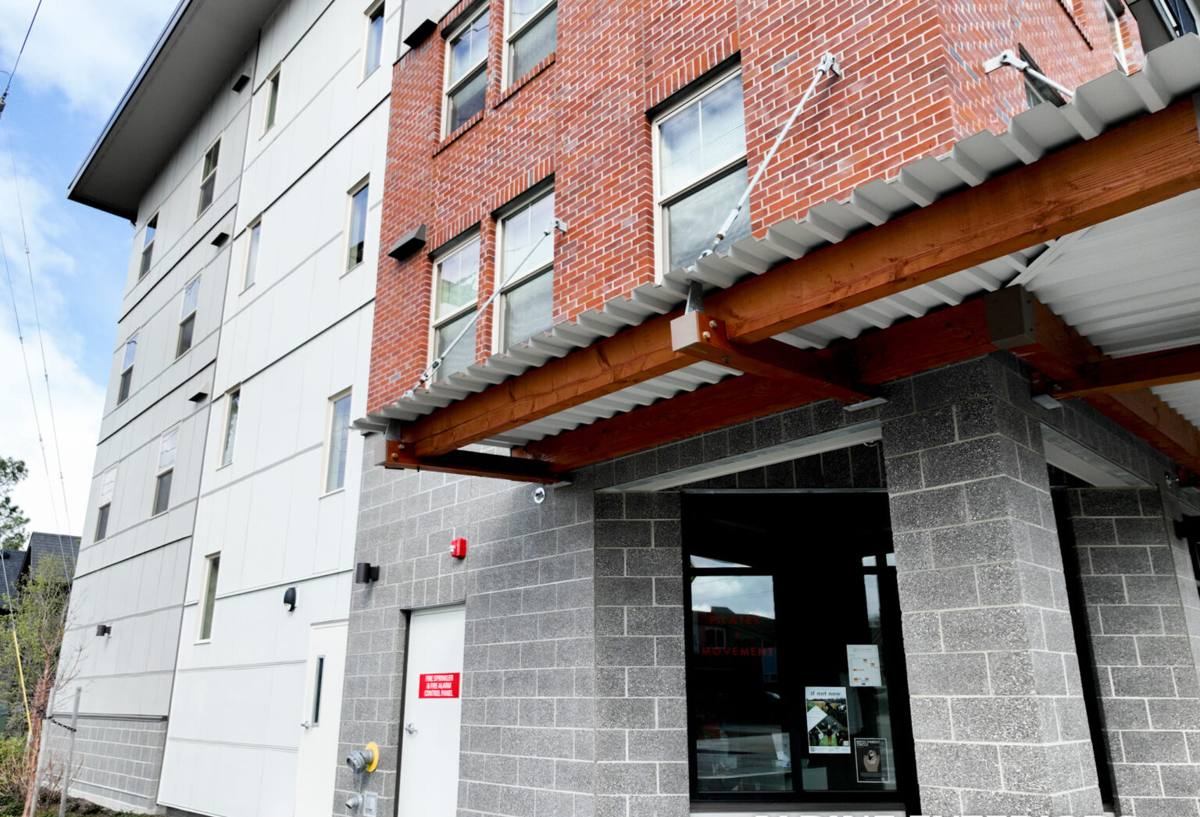
What South Hill's Exposure Does to Windows Over Time
Salt Air and Metal Fatigue
Homes on the hillside get a steady drift of salt-laden air off the bay, especially on windy days. Salt air accelerates corrosion on aluminum frames, hardware, and screen components, and it breaks down cheaper weatherstripping faster than inland exposure would. Over years, that shows up as pitted hardware, stiff or seized cranks and latches, and seals that have lost their compression well before the glass itself shows any wear.
Driving Rain and Sill Wear
Bellingham's rain doesn't just fall straight down — on exposed hillside lots, wind pushes it sideways into window assemblies, testing every seam in the flashing and every bead of sealant around the frame. Windows that were installed without proper flashing integration or with sealant as the only water barrier are the ones we see with rot at the sill and staining on the interior trim, sometimes years before anyone notices a draft.
A Long Moss Season
Whatcom County's mild, wet climate keeps conditions right for moss and algae growth on north-facing and shaded elevations for much of the year. On windows, that moss holds moisture against wood trim and vinyl cladding longer than it would otherwise sit, which speeds up rot in wood-framed units and can stain vinyl and fiberglass finishes. It's a slow problem, not a dramatic one, which is exactly why it goes unaddressed until a window needs full replacement instead of simple resealing.
Signs South Hill Homeowners Should Watch For
- Visible condensation or fogging between panes — a sign the seal has failed on a double- or triple-pane unit
- Drafts you can feel near the frame, even with the window fully latched
- Soft or discolored wood trim around the window, especially on north- or west-facing walls
- Hardware that's stiff, corroded, or won't latch flush anymore
- Paint or finish that's peeling from the inside out, which usually points to moisture getting in from outside
- Visible moss, algae, or persistent staining on the sill or lower frame
- Rooms that are noticeably harder to heat or cool than the rest of the house
Any one of these can be a minor fix. Two or three together on the same window usually means the unit is past the point where resealing or minor repair makes sense, and full replacement is the more honest recommendation.
What a Correct Window Replacement Involves
Window replacement done right is mostly about what happens before and around the window itself, not the window unit. A quality window installed with poor flashing and sealant work will fail faster than a mid-grade window installed correctly. Our process on South Hill homes includes:
- Removing the old unit and inspecting the framing and sheathing underneath for hidden rot or moisture damage before anything new goes in
- Repairing or replacing any compromised framing — this is not an upsell, it's necessary for the new window to have a sound surface to seal against
- Installing proper flashing that integrates with the home's existing water-resistive barrier, not just sealant caulked around the edges
- Setting the new window level, plumb, and square, with shims and fasteners appropriate to the wall assembly
- Insulating the gap between the window frame and rough opening correctly, so it doesn't act as a thermal bridge or a place for moisture to collect
- Finishing interior and exterior trim to match the home and fully seal the assembly against wind-driven rain
Choosing the Right Frame Material for This Exposure
Given the salt air and moisture exposure on South Hill, frame material choice matters more here than it does further inland. We generally steer homeowners toward vinyl or fiberglass frames for most applications in this exposure — both resist corrosion and don't require the ongoing paint and sealant maintenance that wood does. Where wood-framed windows are wanted for a specific look or to match an older home's character, we'll say so plainly and be upfront that they carry a higher maintenance commitment in this climate, not because the product is bad, but because untreated exposure to driving rain and moss growth is simply harder on wood over time.
| Frame Material | Salt Air / Moisture Resistance | Maintenance | Typical Fit |
|---|---|---|---|
| Vinyl | Strong — won't corrode or rot | Low — occasional cleaning | Most homes, best value |
| Fiberglass | Strong — dimensionally stable in temperature swings | Low | Larger openings, higher-end installs |
| Aluminum | Moderate — prone to salt corrosion over time without coatings | Moderate | Modern or commercial-style aesthetics |
| Wood | Weak unless well-maintained — moisture and moss are its main threats | High — periodic painting/sealing | Historic or character-driven homes |
| Clad wood (wood interior, vinyl/aluminum exterior) | Good — exterior shell protects the wood | Low to moderate | Homeowners who want a wood interior look with less upkeep |
Glass Packages Worth Considering
Most South Hill homes benefit from double-pane, low-E glass as a baseline — it's the standard that makes sense for the Pacific Northwest's mild but persistently damp climate. For west- and south-facing rooms that get more direct exposure, or for homeowners prioritizing energy performance, we'll talk through argon-filled units and different low-E coatings. We don't push triple-pane on every job — in Bellingham's climate, the added cost doesn't always pencil out against the modest gain over a good double-pane unit, and we'd rather tell you that than sell an upgrade that doesn't serve the house.
Our Process, Start to Finish
1. Free On-Site Estimate
We come out, look at the specific windows in question, check for signs of framing or moisture issues, and talk through what's realistic for your home and budget. No pressure, no scripted upsell.
2. Clear, Itemized Proposal
You get a written scope covering frame material, glass package, flashing and installation approach, and timeline — so there's no ambiguity about what's included.
3. Scheduling Around Bellingham's Weather
We plan installation windows with an eye on the forecast. Openings are only exposed as long as necessary, and we take precautions on days when driving rain is a realistic risk mid-installation.
4. Installation and Site Care
Old units come out, framing gets inspected and addressed as needed, new units go in with proper flashing and insulation, and we protect your landscaping and interior flooring throughout.
5. Walkthrough and Cleanup
We walk the finished windows with you, operate each one, and confirm everything latches, seals, and finishes the way it should before we call the job done.
Why Hire a Crew That Already Works South Hill
South Hill's mix of hillside exposure, older housing stock, and newer construction means every block can present different framing conditions, different wall assemblies, and different exposure to wind and rain depending on which direction a home faces. A crew that's already worked on homes in this neighborhood recognizes those patterns quickly — what kind of hidden rot to expect behind an older wood-framed window, how much flashing detail a west-facing wall needs, where moss buildup is most likely to have caused damage. That local familiarity shortens the guesswork and reduces the odds of surprises once the old window comes out.
It also means we're accountable locally. We're not a crew that flies in for a job and disappears — we're working in Bellingham and Whatcom County on an ongoing basis, and our reputation here depends on doing the job right the first time.
Questions Worth Asking Before You Hire Anyone
- Will you inspect the framing before installing, not just swap the window?
- What flashing method do you use, and does it integrate with my home's existing water barrier?
- What's the warranty on both the product and your labor, separately?
- Are you licensed and insured to work in Washington State?
- Can you explain, in plain terms, why you're recommending one frame material or glass package over another for my specific home?
Any contractor who can't answer these clearly — or who rushes past the framing inspection — is skipping the part of the job that actually determines whether your new windows last.
Get a Free Estimate for Your South Hill Home
If you're noticing drafts, fogged glass, stiff hardware, or moss and staining building up around your windows, it's worth having a local set of eyes on it before those small signs turn into a bigger repair. We offer free, no-pressure estimates for South Hill homeowners — we'll walk your windows with you, tell you honestly what needs replacing now versus what can wait, and put together a clear proposal with no obligation. Use the form below to get started.