 Bellingham Window
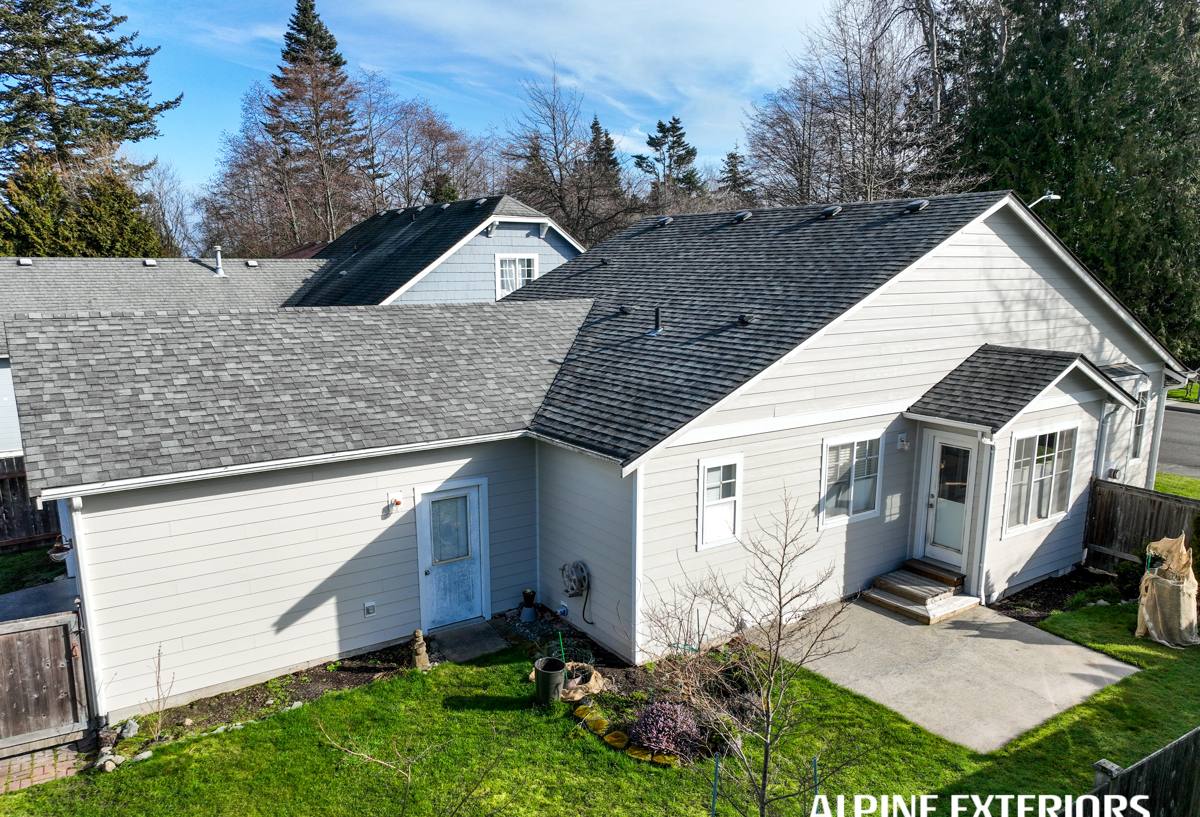
 New Roof Installation for York, Bellingham
The York neighborhood sits close enough to the water and the tree canopy that its roofs take a different kind of beating than roofs twenty miles inland. Salt-laden air off Bellingham Bay, long stretches of driving rain through fall and winter, and a moss season that never really ends all add up over the life of a roof. When a York roof finally needs replacing, the job isn't just "put new shingles on the old ones" — it's an opportunity to correct whatever let the old roof fail early in the first place, and to build the next one so it holds up to the same conditions for decades instead of years.
This page covers what a new roof installation actually involves for a home in this part of Bellingham, what tends to go wrong with roofs in this neighborhood specifically, and what to expect if you have us out to look at yours.
Why York's Climate Wears Roofs Out Faster
Whatcom County doesn't get the extreme heat or hail that shortens roof life in other parts of the country. Instead, it wears roofs down through steady, patient exposure — the kind that's easy to underestimate until you're the one paying for a premature replacement.
Salt Air
Proximity to the bay means airborne salt settles on roofing surfaces and metal components. Over years, that accelerates corrosion on exposed fasteners, flashing, and any lower-grade metal trim. It's a slow process, but it's constant, and it's one reason we're selective about the hardware and flashing metals we use on homes closer to the water.
Driving Rain
Bellingham's rain isn't just frequent — a lot of it comes in sideways during winter wind events. Wind-driven rain finds every weak seam, every under-lapped shingle course, and every place where flashing was installed to "probably work" instead of installed correctly. A roof that would perform fine somewhere drier can leak here simply because the install didn't account for rain hitting it at an angle.
Moss Season
Between the moisture and the shade from mature trees common in older Bellingham neighborhoods, moss has a long growing window — realistically most of the year. Moss doesn't just look bad; it holds water against the roofing surface, works its way under shingle edges, and can lift tabs enough to let wind-driven rain in underneath. A roof that isn't detailed to shed water and resist moss growth in this environment will show moss damage well before it's actually worn out structurally.
Signs a York Home Needs a New Roof, Not Another Repair
Not every roof problem means full replacement — plenty of issues are legitimately fixable with a repair. But there's a point where patching becomes false economy. Here's what tends to signal it's time to talk replacement rather than repair:
- Granule loss heavy enough that you're finding sandy grit in gutters every season, not just after a new roof's break-in period
- Shingles that are cupping, curling, or cracking across multiple slopes, not just one isolated area
- Daylight visible through the roof deck from the attic, or damp insulation after a storm
- Moss growth that returns within months of cleaning, especially in shaded, north-facing sections
- A roof that's already had two or more repair visits for leaks in different spots within a couple of years
- Soft or spongy decking felt underfoot during any roof access
- The roof is at or past the manufacturer's expected service life for its material and your home hasn't had major work done on it
If you're only seeing one or two of these and the roof is otherwise sound, a repair may genuinely be the right call — we'll tell you that if it's true. We don't sell replacements to homeowners who don't need one yet.
What a Correct New Roof Installation Actually Involves
A roof is a system, not a single layer of shingles. Skipping steps in this system is exactly how a brand-new roof ends up leaking within a few winters — and it's a common shortcut on roofs installed by crews that don't specialize in this kind of climate.
Full Tear-Off
We remove the existing roofing down to the deck rather than layering over it. Overlaying hides problems instead of fixing them, adds weight the structure wasn't designed for, and voids most manufacturer warranties outright.
Deck Inspection and Repair
With the old roofing off, we can actually see the decking. Any wood that's soft, delaminated, or water-stained gets replaced before anything new goes down. Installing new roofing over compromised decking just guarantees a shorter lifespan for the new roof.
Underlayment Built for Wet Climates
We use synthetic or self-adhered underlayment appropriate for this region's rain exposure, with extra attention — often ice-and-water shield-grade membrane — at eaves, valleys, and any low-slope transitions where wind-driven rain is most likely to work its way under the roofing surface.
Flashing Done Properly
Flashing around chimneys, skylights, wall transitions, and vent penetrations is where most roof leaks actually originate — not in the open field of shingles. We install new flashing rather than reusing old pieces, and we detail it so water sheds away from every penetration instead of pooling or wicking sideways.
Ventilation Correction
Poor attic ventilation traps moisture, which speeds up deck rot and helps moss and mildew take hold from underneath. Where existing ventilation is inadequate, we address intake and exhaust balance as part of the installation, not as an afterthought.
Roofing Material Options for This Climate
There's no single "best" roofing material — the right choice depends on your home's structure, your budget, and how much long-term maintenance you're willing to do. Here's an honest comparison for a coastal Whatcom County home:
| Material | Typical Lifespan Here | Moss/Moisture Resistance | Maintenance Needs |
|---|---|---|---|
| Architectural asphalt shingle | 25–30 years | Good with proper install; algae-resistant granules recommended | Periodic moss removal, gutter care |
| Standing seam metal | 40–50+ years | Excellent — sheds moss and water fast | Low; occasional fastener/seam check |
| Synthetic/composite shake | 30–40 years | Very good; resists rot unlike real wood shake | Low to moderate |
| Wood shake | 20–25 years in this climate | Poor without aggressive upkeep | High — regular treatment and moss control required |
We're straightforward with clients about wood shake: it can look great, but in a climate this wet and mossy, it demands a maintenance commitment most homeowners underestimate before they've lived with it a few seasons. That's a trade-off worth knowing before you choose it, not after.
Our Installation Process, Start to Finish
Every job follows the same sequence, whether it's a straightforward gable roof or something with more complex rooflines:
- On-site inspection and honest assessment of whether you need replacement or repair
- Written estimate detailing material options, scope, and timeline
- Property protection — landscaping, siding, and gutters shielded before work begins
- Full tear-off and deck inspection, with any repairs approved before covering
- Underlayment, flashing, and ventilation work
- Roofing material installation to manufacturer specification
- Full site cleanup, including magnetic sweep for stray fasteners
- Final walk-through so you can see the finished work before we consider the job done
Moss Prevention and Long-Term Roof Health
A new roof installation is also the best chance to build in moss resistance for the long run, since retrofitting it later is far more limited. Where appropriate, we can install zinc or copper strips near the ridge, which release trace amounts of metal ions that inhibit moss growth as rain washes over them. We'll also make sure valleys and low-slope areas are detailed to drain quickly rather than holding standing moisture, since that's where moss and algae take hold first. None of this replaces occasional roof cleaning, but it meaningfully extends the time between cleanings and reduces how aggressive that cleaning needs to be.
Why a Crew That Already Works York Matters
Roofing crews unfamiliar with this specific stretch of Bellingham sometimes underbuild for conditions that are obvious to anyone who's worked here for a while — under-flashing a valley that catches more wind-driven rain than it looks like it should, or skipping moss-resistant details because "that's not standard" wherever they usually work. A crew that's already done roofs in this neighborhood knows the tree cover, the drainage patterns, and the access considerations that come with the area's older, established housing stock. That familiarity shows up in fewer surprises during tear-off and a roof that's actually built for what this part of the county throws at it.
What Affects the Cost of a New Roof
We don't quote prices sight unseen, but the main variables that move cost up or down are consistent from job to job:
| Factor | Why It Matters |
|---|---|
| Roof size and pitch | More surface area and steeper slopes mean more material, labor, and safety setup |
| Number of penetrations | Chimneys, skylights, and vents each require individual flashing work |
| Deck condition | Rotted or damaged decking found during tear-off adds material and labor |
| Material choice | Asphalt, metal, and composite options span a wide cost range |
| Access and site conditions | Tree cover, tight lots, or limited driveway access can affect setup time |
| Ventilation upgrades | Correcting inadequate intake/exhaust adds scope but pays off long-term |
A straightforward asphalt shingle replacement on a moderate-sized York home generally lands in a mid five-figure range for a full tear-off and correct install; metal roofing runs higher upfront but lower over its lifespan. We'll walk through your specific numbers during the estimate rather than guessing here.
Ready for an Honest Look at Your Roof?
If your roof in York is showing its age, dealing with recurring moss, or just due for replacement, we're happy to come take a look and give you a straight answer — including telling you if it's not time yet. Use the form below to request a free, no-pressure estimate, and we'll get back to you to schedule a visit.